

Campers at Cave Springs found themselves cut off when rising water and debris made the creek crossing impassable.
Arizona has needed rain, but lately we’ve seen just how quickly that much-needed moisture can become a problem, especially in places where people are camping and exploring.
Earlier this month, approximately 65 campers and campground hosts were stranded at Cave Springs Campground in Oak Creek Canyon after heavy rain sent water and debris rushing through the area.
And for several days, leaving wasn’t an option.
When the Way Out Disappeared
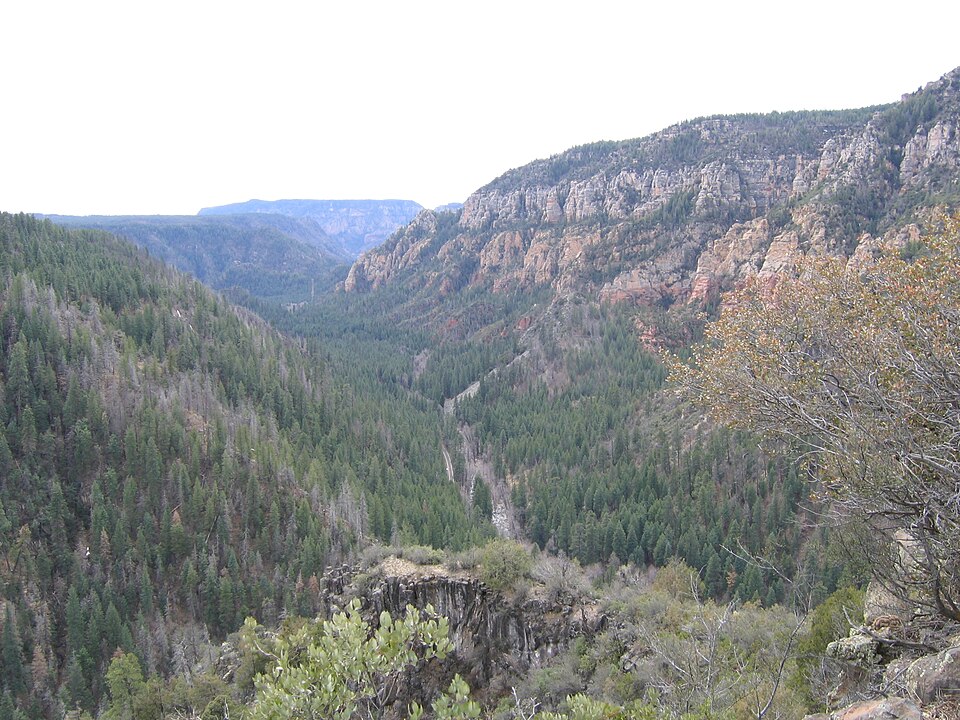
Cave Springs Campground sits in a beautiful forested section of Oak Creek Canyon, north of Sedona.
It’s the kind of place people visit to escape the desert heat, spend time near the creek, and enjoy the scenery.
But during the weekend of October 10 and 11, rising water and debris damaged the low-water crossing that campers needed to leave the campground.
Vehicles and trailers couldn’t safely cross, leaving roughly 65 people on the other side.
The Coconino County Sheriff’s Office worked with the U.S. Forest Service to monitor the situation and communicate with those stranded.
Officials reported that the campers were doing well while crews assessed the crossing and waited for conditions to improve.
Supplies Arrived While Campers Waited
By October 13, water levels still hadn’t dropped enough to allow vehicles to safely leave.
Authorities coordinated a food and supply delivery, with an Arizona Department of Public Safety helicopter bringing provisions to the stranded group.
According to subsequent reporting from Sedona Red Rock News, most campers were able to leave late on October 13, with the remaining individuals scheduled to depart the following day.
What could have become a much more serious situation ended with campers getting the assistance they needed.
But it also serves as a reminder that Arizona’s weather can change the situation outdoors in a hurry.
Why Arizona Flooding Can Catch Campers Off Guard
One of the challenges with camping around creeks, washes, and canyon bottoms is that the weather directly overhead doesn’t always tell the whole story.
Heavy rain upstream can raise water levels downstream, sometimes surprisingly fast.
And even when the water begins to recede, a crossing can remain dangerous because of debris, erosion, or damage to the road.
This is especially important in northern Arizona, where forested campgrounds and narrow canyons can feel like a completely different environment from the desert below.
A familiar crossing that was easy to drive through when you arrived might be impassable when it’s time to leave.
What Campers Can Learn From This
Before heading out, it’s worth checking more than just whether rain is forecast during your trip.
Look at the weather across the surrounding region, especially if you’ll be camping near a creek or wash.
Know how many roads lead into and out of your campground.
And bring enough food, water, medication, and basic supplies to handle an unexpected delay.
If floodwater covers a road or crossing, don’t attempt to drive through it. Water depth, current, and road damage can be difficult to judge.
It might feel inconvenient to wait, but waiting for authorities to confirm that a crossing is safe is a much better option than trying to force your way out.
Arizona’s Beauty Comes With a Little Responsibility
Anyone who spends time camping in Arizona knows how quickly the experience can change.
One minute you’re enjoying a peaceful stretch of forest. A few hours later, the weather might have an entirely different idea.
Thankfully, the Oak Creek Canyon campers were able to get out.
The lesson isn’t to avoid camping or exploring when rain is possible.
It’s to respect the conditions, prepare for the unexpected, and remember that the wilderness doesn’t always operate on our schedule.
Sometimes the best decision you can make outdoors is knowing when to wait.
Sources
- Coconino County Sheriff’s Office: Campers Stranded in Oak Creek Canyon
- Sedona Red Rock News: Stranded Campers Able to Leave
- KNAU: Flood Strands More Than 60 Campers
- National Weather Service: Flood Safety