

An unusual flesh-eating parasite has been confirmed in southern Arizona, and wildlife officials are asking residents to keep an eye out.
Arizona has confirmed its first case of New World screwworm, a parasitic fly whose larvae feed on living tissue. The discovery was made in Cochise County after a veterinarian examined a dog on October 26 and found a wound on its back heavily infested with maggots. Laboratory testing confirmed the parasite, and state officials announced the discovery on October 28.
The dog is receiving veterinary care, and Arizona officials are working with the USDA to prevent the parasite from spreading.
What Exactly Is New World Screwworm?
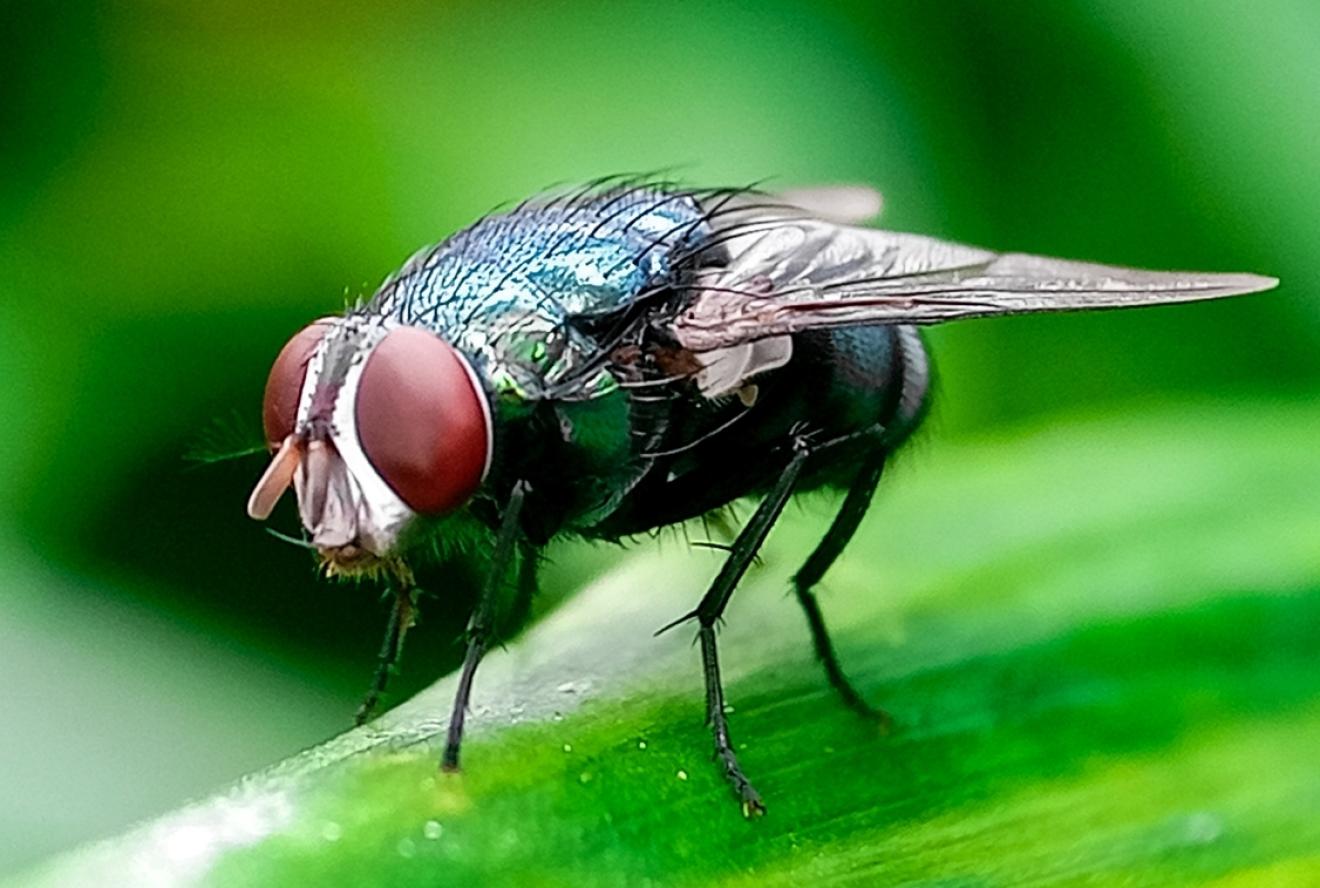
Despite its name, screwworm isn’t actually a worm. It’s a species of fly that lays eggs in open wounds or around body openings. Once those eggs hatch, the larvae burrow into living tissue.
Unlike ordinary maggots that typically feed on dead or decaying material, these larvae feed on living flesh. Left untreated, an infestation can cause serious injuries and even death.
The parasite primarily threatens livestock, wildlife, and pets, although humans can occasionally become infected.
What Does This Mean for Arizona?
New World screwworm was previously eradicated from the United States, but cases have returned in parts of the Southwest.
With Arizona’s first confirmed detection, federal and state officials are increasing surveillance, restricting animal movement in a designated area around the case, and releasing sterile flies to help control the population.
Arizona Game and Fish is also asking hunters, hikers, and anyone spending time outdoors to watch for animals with unusual wounds or visible larvae.
Things to watch for include:
- Open wounds that appear to be getting worse
- Maggots or egg masses inside wounds
- Unusual odors or drainage
- Animals showing signs of discomfort or irritation
If you suspect an infestation in a pet or livestock, contact a veterinarian and the Arizona Department of Agriculture at 602-542-4293.
For suspected cases involving wildlife, contact Arizona Game and Fish at 623-236-7201. Record the location if possible, but do not handle or transport the animal.
It’s a strange and concerning discovery, especially for a state with so much wildlife and livestock. For now, the important thing is awareness, early detection, and keeping an eye on the animals around us.
Sources:
Arizona Department of Agriculture
Arizona Game and Fish Department
USDA Animal and Plant Health Inspection Service